NOVEMBER 2026 / ARTIST OF THE MONTH / 001
SEO TAIJI
& BOYS.
서태지와 아이들
Before the world knew K-pop, Korea knew their names. A trio whose sound, style, and songs helped rewrite the rules of Korean popular music.
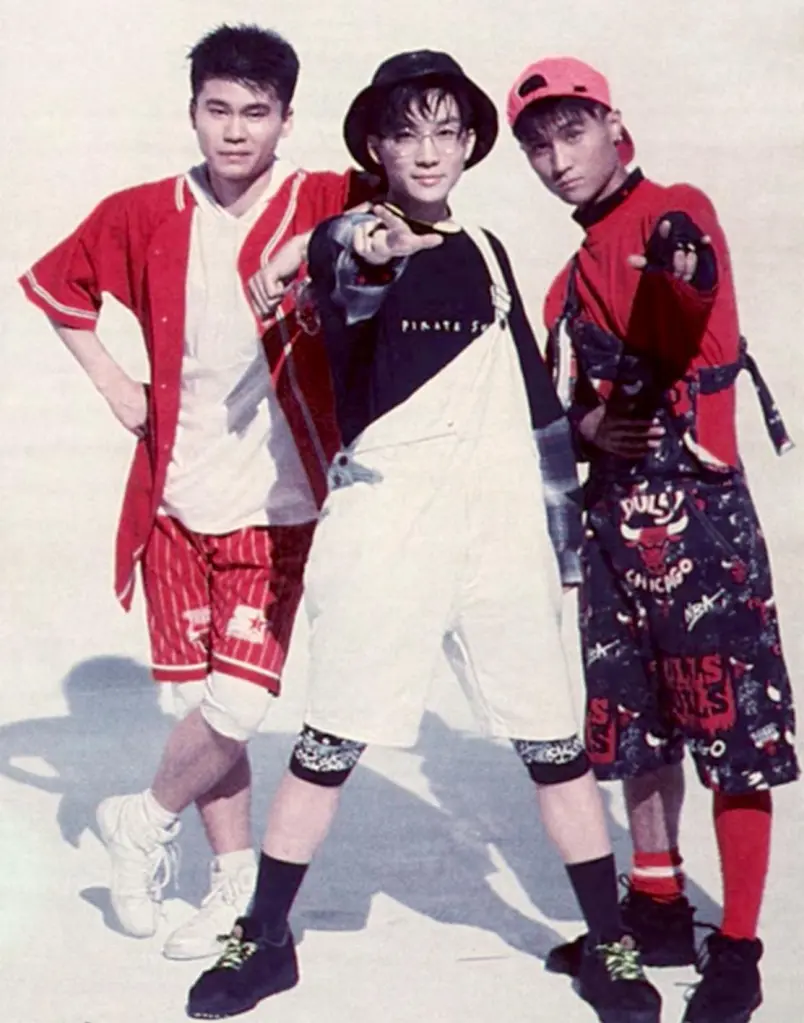
Some artists define a moment. Others change what the next generation believes music can be. In 1992, Seo Taiji and Boys were part of a turning point that continues to echo through Korean popular music.
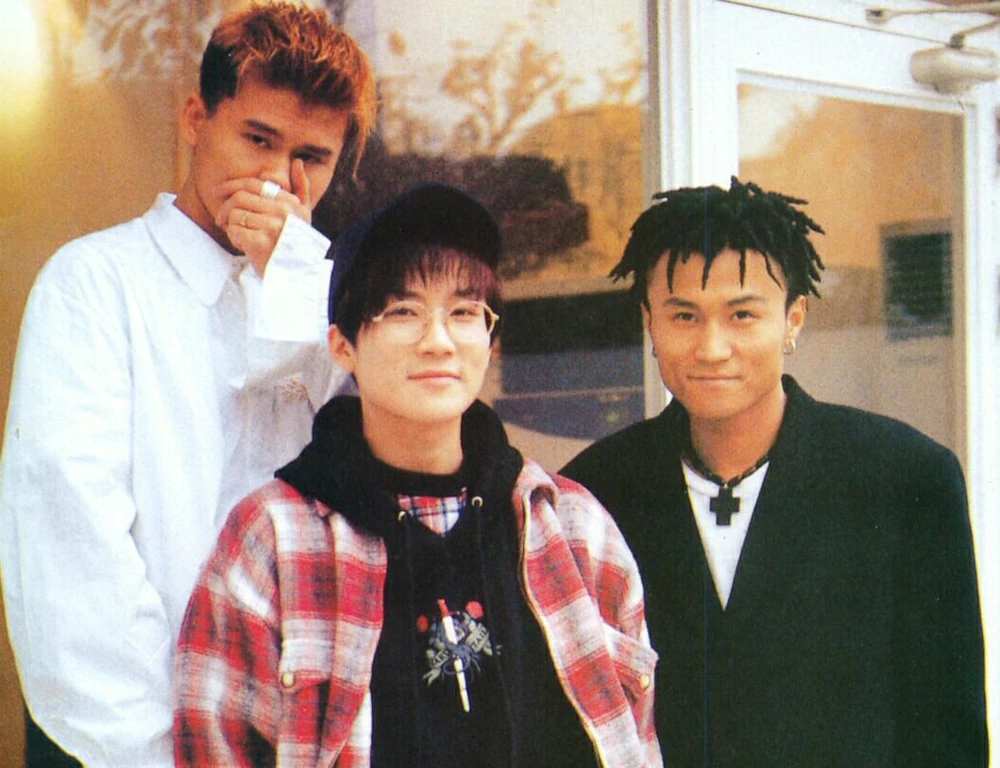
“I Know” changes the conversation
Seo Taiji, Yang Hyun-suk, and Lee Juno brought a striking blend of rap, dance rhythms, and new youth-oriented style to Korean television. Their debut album arrived on March 23, 1992. “I Know” (난 알아요) introduced a sound that did not fit the familiar boundaries of mainstream ballads and dance music.
The group's televised debut initially left judges unconvinced, but younger listeners responded. Their music soon became a symbol of a new generation seeking its own voice.
Rock, rap—and a traditional instrument
The 1993 second album stretched those possibilities further. “Hayeoga” (하여가), also known in English as “Anyhow Song,” brought together forceful guitars, rapid-fire rap, and the unmistakable sound of the taepyeongso, a traditional Korean wind instrument.
Seo Taiji and Boys weren't choosing between Korean and global sounds. Their innovation was in finding unexpected ways to make those sounds speak together.
The classroom and the wider world
By 1994, the music was confronting bigger questions. “Classroom Idea” (교실 이데아) criticized the pressures of the education system. “Dreaming of Balhae” (발해를 꿈꾸며) brought questions of Korean division and reunification into popular song.
The group showed that mainstream pop could carry urgent social concerns without abandoning ambitious production or stage performance.
“Come Back Home” and a lasting echo
The fourth album in 1995 featured “Come Back Home,” pairing an assertive hip-hop approach with a message directed toward young people who had left home. At the beginning of 1996, the group disbanded, ending a brief but remarkable run.
Seo Taiji continued making music as a solo artist. The trio's wider legacy remains visible in the blending of genres, performance, youth-centered storytelling, and fan culture that later generations developed further.
START HERE / FIVE DEFINING TRACKS
Essential listening.
Melodic, soulful, and surprisingly tender—a reminder that Seo Taiji and Boys were never only about explosive anthems.
▶ LISTEN ON YOUTUBEYouTube links open in a new tab so the Seoul Rewind Radio player can continue in the original tab. Video availability may vary by region.
THE STUDIO RUN / 1992–1995
Four albums.
A different world.
Seo Taiji and Boys
“I Know,” “You, in the Fantasy,” “My Everything”
Seo Taiji and Boys II
“Hayeoga,” “To You,” “The Last Festival”
Seo Taiji and Boys III
“Classroom Idea,” “Dreaming of Balhae”
Seo Taiji and Boys IV
“Come Back Home” and the final studio chapter
The album panels above are original station graphics, not reproductions of the albums' cover art.
THE HISTORY / AT A GLANCE
Four years.
Generations of impact.
Debut album and “I Know” introduce a new youth sound.
“Hayeoga” expands the palette with rock and traditional instrumentation.
“Classroom Idea” and “Dreaming of Balhae” tackle social themes.
Fourth album and the influential “Come Back Home.”
The trio disbands; its impact carries on.
THE SEOUL REWIND VERDICT
They didn't just make hits.
They changed the possibilities.
The sounds that followed—idol pop, experimental hip-hop, rock-infused hits, and generations of ambitious stage performance—didn't come from any one act alone. But when we rewind to the early 1990s, Seo Taiji and Boys are impossible to ignore. The history of modern K-pop has many roots. This is one of its defining turning points.
Research and further reading
- Library of Congress — Researching K-pop: History & Timeline
- Weverse Magazine — An introduction to Seo Taiji … for Gen Z
- KBS World — Seo Taiji artist profile and discography
- Korea Foundation — A history of Korean popular music
This is an independent editorial tribute by Seoul Rewind Radio. All commentary is original; no third-party photographs or album-cover art are reproduced.